Showing posts with label accident. Show all posts

Wednesday, 1 June 2011

Tinting Your Vehicle Windows


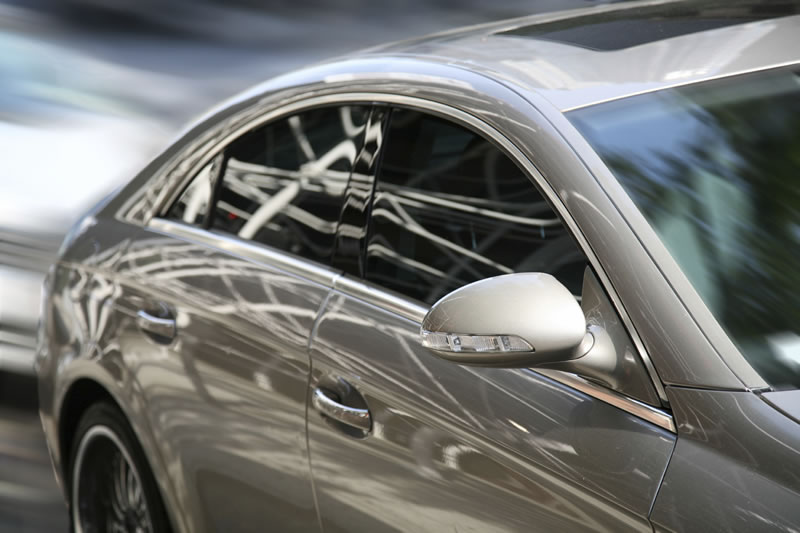
Vehicle window tinting is one of the most popular car enhancements available today. Automotive specialty stores offer window tinting for all kinds of vehicles, including cars, SUVs, trucks, and RVs. Aside from aesthetic appeal, there are many reasons that vehicle owners choose to have tinted film placed on their windows.

Reduce heat and avoid overheating. Heat build-up in your car is not only uncomfortable for you and your passengers; it can put a strainon your engine and air-conditioning system. Tinted windows help to minimize the accumulation of heat within a vehicle. In fact, some films on the market today offer an 85 to 95% heat rejection rate. That translates into a much cooler car, even on the hottest and most humid days.

Protect your vehicle's interior. The UV rays of the sun can damage the interior of your car. Upholstery may fade after long-term exposure to the sun. Leather seats may crack and become brittle as well. Tinted windows block 99% of the sun's harmful rays, protecting your car's interior from pre-mature aging.

Protect your skin. Just like your car's interior, your skin is susceptible to damage from the UVA and UVB rays that filter into your vehicle through the windows. Sun damage to your skin can lead to cancer. Window tinting can block those damaging rays and prevent you and your passengers from dangerous sun exposure.

Reduce glare. Tinted windows help reduce the glare of the sun during daytime driving and the glare of headlights at night. This reduction will allow drivers to have a clearer view of the road and ideally, be able to avoid deadly accidents.

Improve fuel-efficiency. Because tinted windows keep a car's interior so much cooler, there is less strain put on the vehicle's engine and air-conditioner. Drivers are able to save some money because they will not be wasting fuel by cooling down their car dramatically each time it has been sitting for long periods of time.

Protection during an accident. In the event of an accident, window tint can help shattered glass hold together, protecting you and your passengers from dangerous shards of glass that may result from an impact.
Improve security. Window tinting blocks a potential thief's view of the valuables inside your vehicle. A criminal is less likely to break-in to a car unless he knows that there is something he wants. Darkened windows can deter thieves who attempt to "smash-and-grab" valuables from your vehicle.

Improves appearance. Tinted windows add a sophisticated style to any vehicle. Whether you prefer to make a bold statement or desire a subtler look, various shades of tint are available to fulfill all of your style requirements. However, drivers must follow local window tinting regulations and guidelines in order to avoid costly fines and tint removal.

Auto window tint offers numerous benefits to the consumer, making it an extremely popular enhancement for vehicle owners around the country. It is important to remember that you must find a qualified installer who can inform you about your tint choices and install it professionally and correctly. Getting it done right the first time will eliminate tint removal and replacement in the future.


5 Tips for Safety on the Road


There are more people on the road than ever, and this means more cars to navigate around, more traffic and often less consideration. With this in mind, the best way to have a safe trip on the road is to make safety your first priority. This means not just using your reverse camera and other tools, but focusing on the job at hand at all times, recalling the road rules and getting it right. You can't control what other drivers are doing, but if you are vigilant, well trained and practiced, and aware of your place on the road, you could avoid an accident.

So how can you truly be prepared to drive your vehicle as safely as possible?

1. Know your car 

It might seem obvious, but so many people get into a car and start driving without really investigating the ins and outs if their car, it's tools, or slowly working out how it functions. One of the most important steps you can take towards safety, is knowing your vehicle. This not only means knowing what it does, but how it does it. Before taking it out in heavy traffic or on a long trip, take a test drive. Test how sensitive the breaks are, how fast it reaches speed, how quickly it slows down, and how it handles around corners -- only once you are comfortable with these aspects are you really ready to drive it.


2. Keep everything in check 

While it might not seem a big deal -- a few k's over -- it can be. Make sure your car is regularly serviced. A vehicle that is looked after can make the difference between avoiding an accident and causing one. Take your vehicle to a reputable mechanic, and in addition to servicing, make sure you get any problems looked at regularly.


3. Use the safety technologies fitted to your car 

Newer vehicles are now fitted with a wide range of safety features. Reverse sensors, electronic stability control and anti-lock breaking systems, traction control, and intelligent speed assist are only the start of a long list of features. When you get your new car ensure you read the manual so you know what tools are at your disposal -- and then use them. Manufacturers compete for car sales, and they know safe cars are very attractive to families, so these features have been well researched and included for a reason.


4. Know how to handle the rough conditions 

A lot of the time, people handle rough conditions purely on instinct and reaction -- this is how a situation can go from bad to worse. Taking driver training can enable you to better understand how to handle difficult conditions, and teach you not to overcorrect and make matters worse!


5. Know what effects your driving 

Finally, beyond knowing your vehicle, you also need to understand yourself as a driver. While there is an alcohol limit, your own limit may actually be much lower. Don't drive when under the influence of anything, and make sure your never take the wheel when you are tired or feeling ill.